 techniques
Streamer Fishing in Low, Clear Water
How to fish streamers in low, clear water: smaller flies, longer leaders, floating lines, and the slow retrieve that gets eaten instead of refused.
Casting, rigging, and presentation techniques for the situations you'll actually face on the water.
techniques
How to fish streamers in low, clear water: smaller flies, longer leaders, floating lines, and the slow retrieve that gets eaten instead of refused.
techniques
Where and how to fish tailwaters and limestone spring creeks in winter: the midday window, midges and small nymphs fished slow and deep, and cold water safety.
techniques
How indicator nymphing works: choosing an indicator, setting depth with the 1.5x rule and when it fails, split shot versus weighted flies, the cast, the mend, and the hook set.
techniques
The bow and arrow cast, roll cast, sidearm, and steeple cast for brushy Mid-Atlantic creeks, plus the line and leader habits that make them work.
techniques
Drag kills more dry fly drifts than fly choice does. Here is what drag physically is, when to reach cast, mend, or wiggle cast, and when to shorten the drift instead.
techniques
How to build a euro nymphing leader that stays off the water and shows the take: butt options, sighter construction, tippet by depth, and two formulas to copy.
techniques
techniques
techniques
techniques
Five knots cover every connection in a standard fly fishing rig. The Improved Clinch, Double Surgeon's, Blood Knot, Nail Knot, and Perfection Loop — with strength-retention data and tying steps.
 techniques
 techniques
 techniques
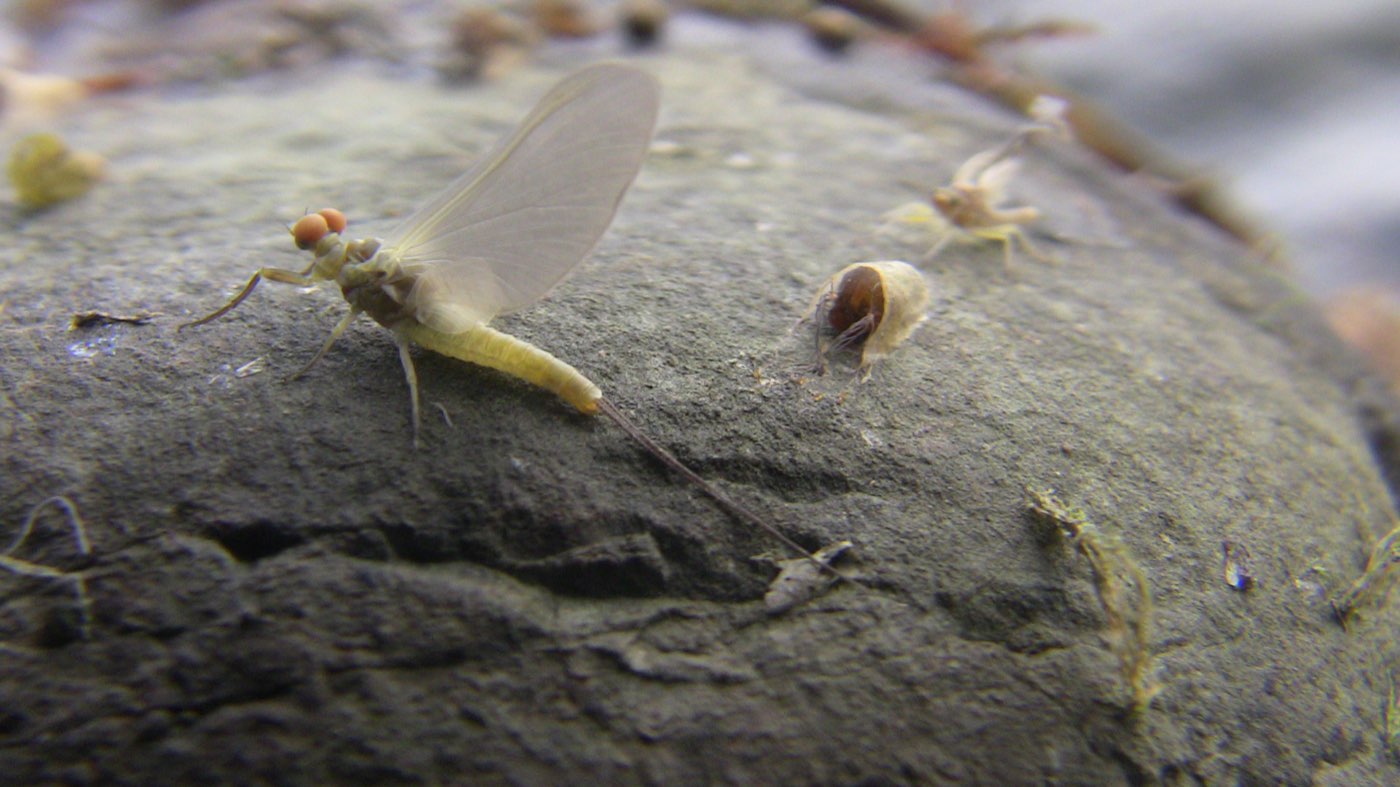
Hatch matching is elimination, not guesswork. Sixty seconds of observation before casting tells you more than any fly selection guide, and getting the silhouette right matters more than getting the color right.
 techniques
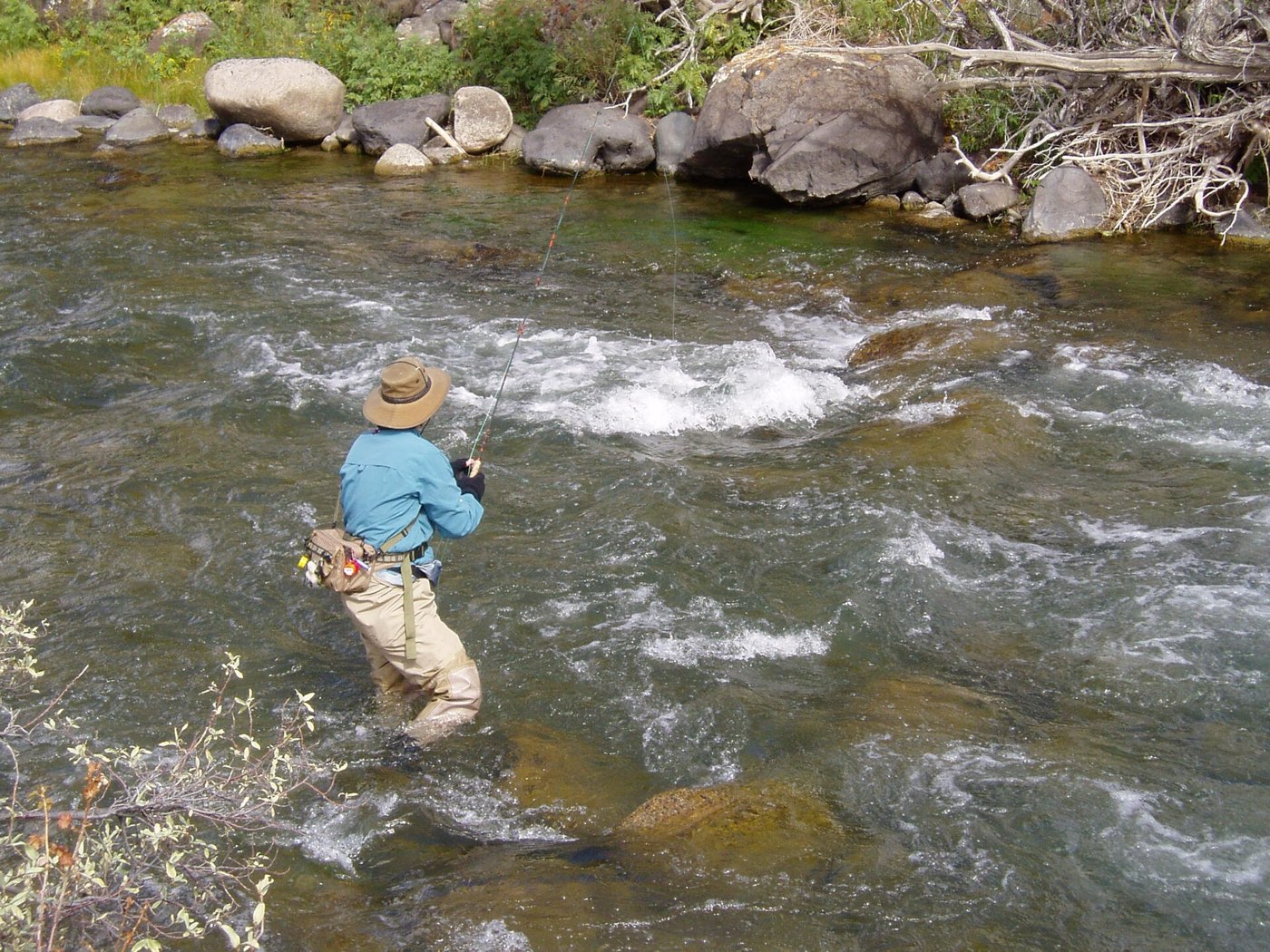
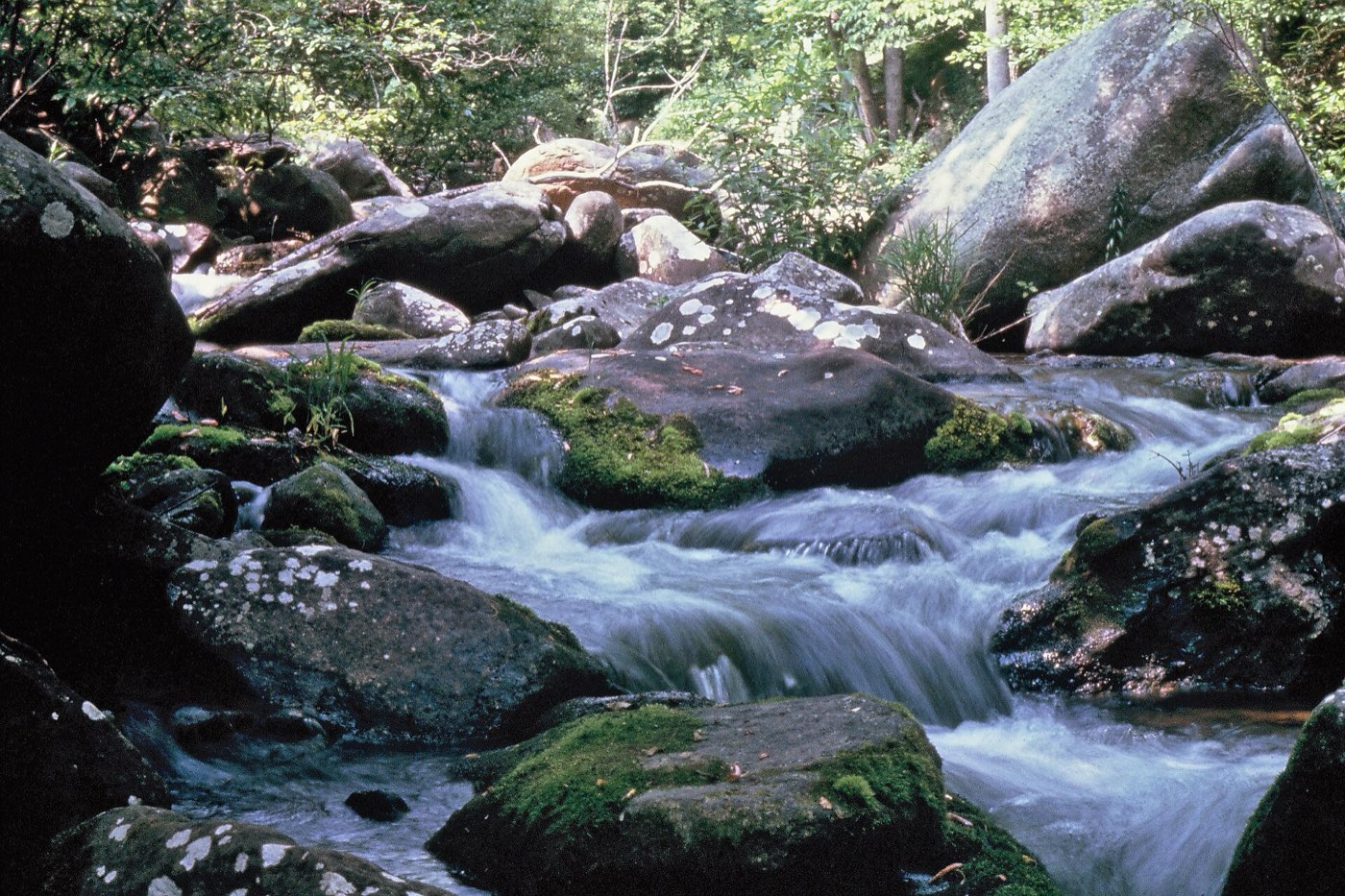
High-sticking out-fishes indicator nymphing in fast water under 30 feet. Here is the rod-tip-to-fly setup that produces, and the four mistakes that don't.