West Virginia Hatch Chart for Fly Fishing (2026)
Last verified: April 2026. Sources: West Virginia DNR, WVAngler.com hatch charts (Charlie Nichols and Elk River charts by Ken Yufer/Dave Breitmeier), Dark Skies Fly Fishing, plus Cast & Tie observations on the Elk and Cranberry in 2026.
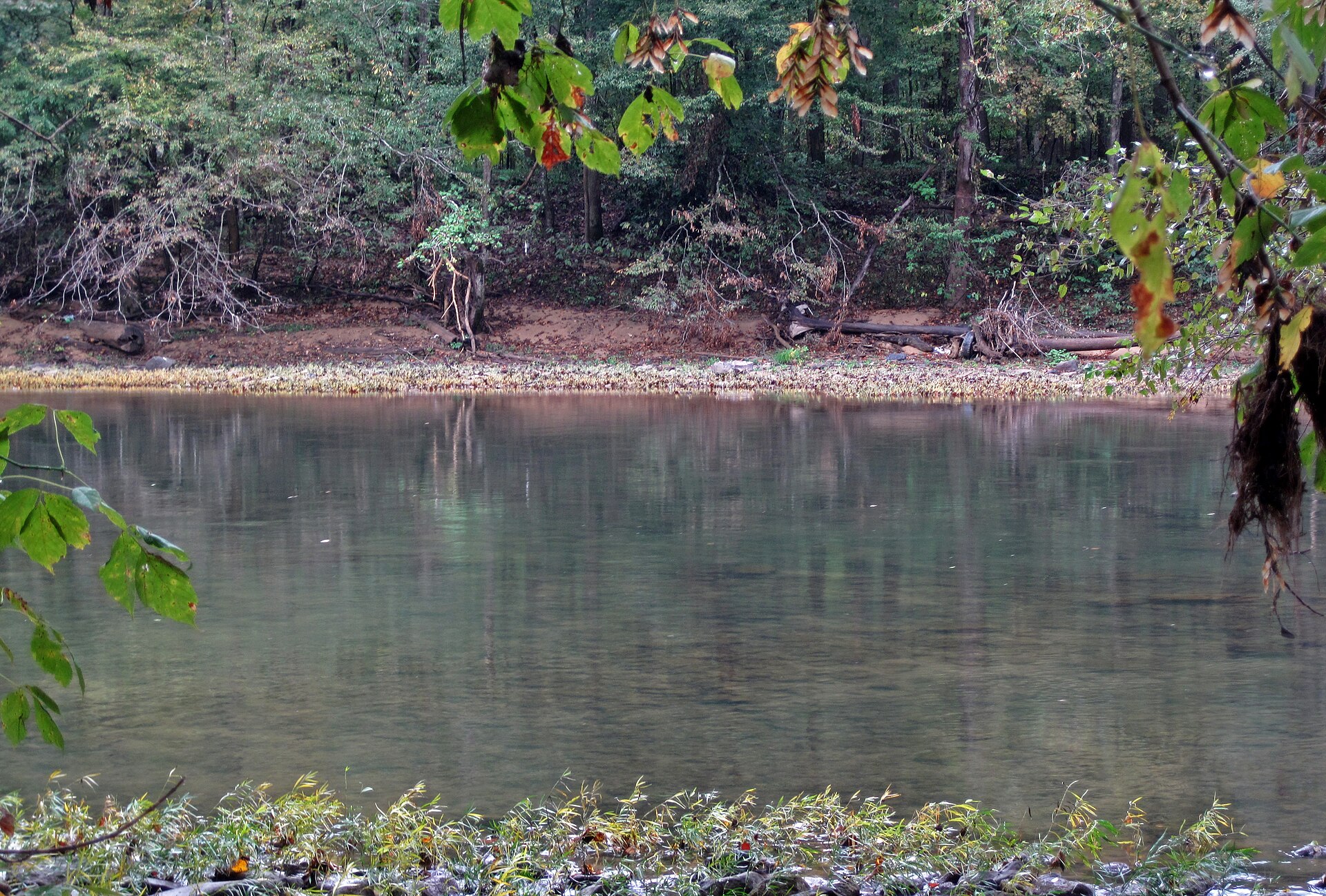
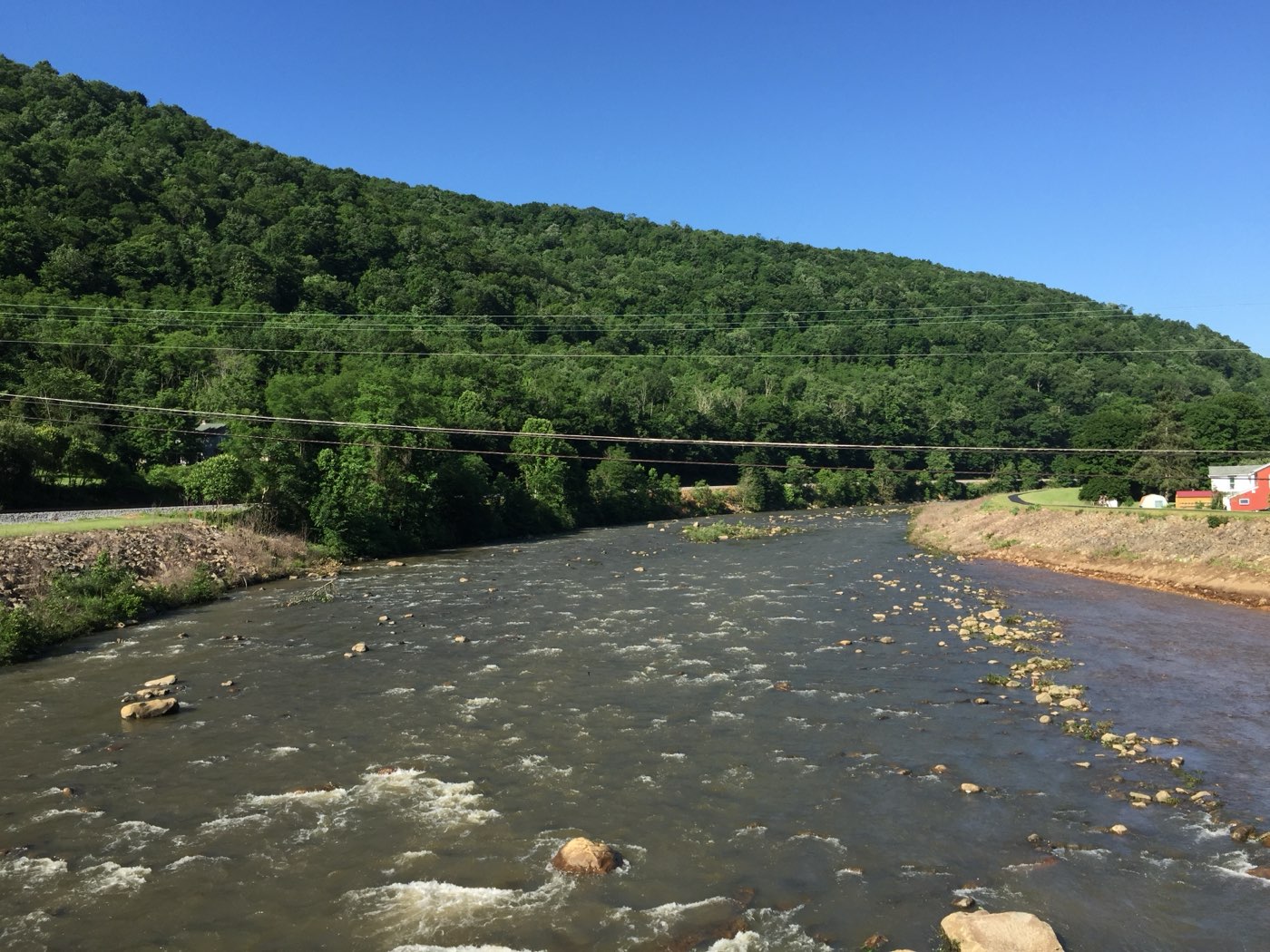
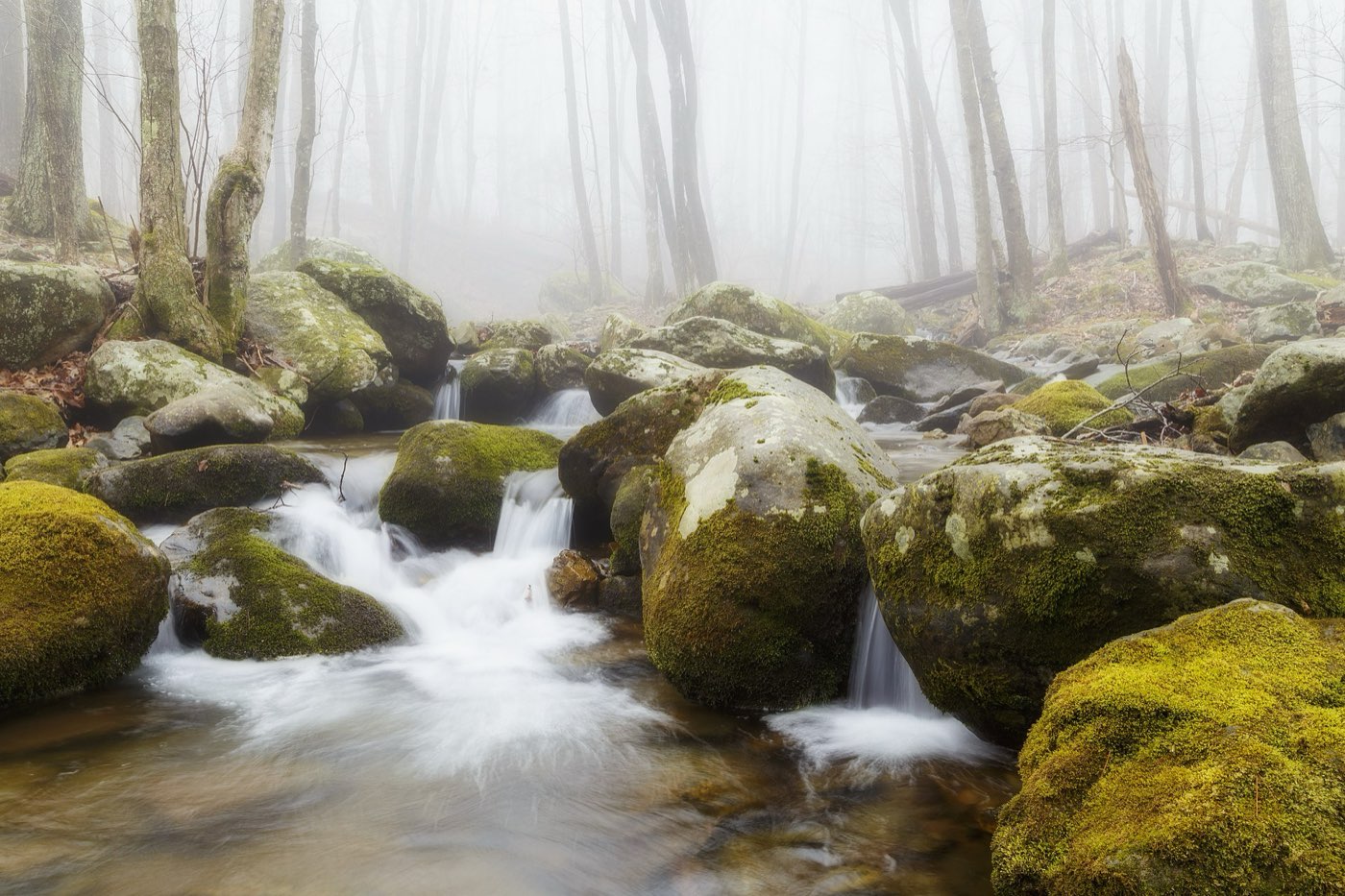
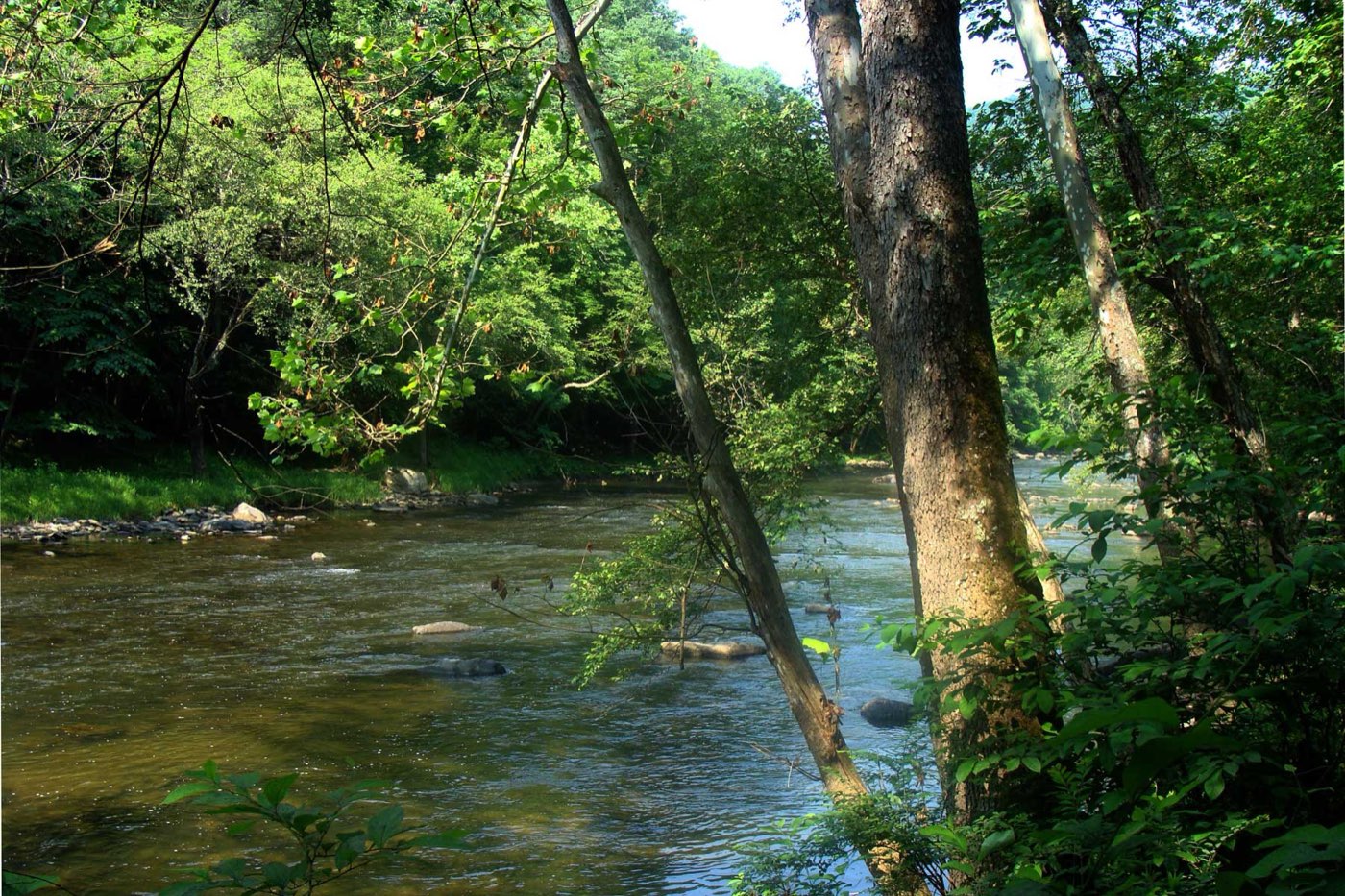
West Virginia trout water divides into two distinct hatch calendars. The Elk River — a limestone-influenced tailwater in central WV — runs the most prolific Sulphur hatch on the East Coast outside the Catskills. The Cranberry River and other Mountain State freestones (Williams, Shavers Fork, Cranberry tributaries) follow a typical Appalachian freestone calendar shaped by elevation and snowmelt.
This chart treats them as two columns where they diverge.
Season snapshot: West Virginia (April 2026)
| Water | What's hatching | Best fly | Notes |
|---|---|---|---|
| Elk River | Hendrickson, BWO, Little Black Caddis | Hendrickson parachute, Little Black Caddis | Hendrickson peak: 1-3 pm |
| Cranberry River | Little Black Caddis, BWO, blue quill | Black caddis, BWO parachute | High elevation — running 1-2 weeks behind Elk |
How to read a hatch chart
WV hatch dates shift with elevation more than any other Mid-Atlantic state. The Elk River near Webster Springs hatches Sulphurs nearly a month earlier than the Cranberry headwaters at 3,000+ feet. Use this chart for sequencing — confirm specifics with a regional fly shop before you drive.
Most major WV hatches sit in the 12-20 size range; the famous Elk River Sulphurs run 16-18.
Limestone-influenced (Elk) vs. freestone Appalachian (Cranberry, Williams)
| Hatch | Elk River | Cranberry / Williams |
|---|---|---|
| Hendrickson | Mid-April | Late April / early May |
| Sulphur peak | Mid-May (legendary density) | Late May / June |
| Green Drake | Late May | Sporadic |
| Iso / slate drake | June | Late June through August |
| Trico | Limited | Largely absent |
Month-by-month hatch chart
January
| Insect | Size | Hours | Stage | Best fly | Notable waters |
|---|---|---|---|---|---|
| Midges (red blood worm, light green) | 22-26 | Midday | All | Zebra midge, blood midge, RS2 | Cranberry, Elk |
| Little black stoneflies | 16-18 | Midday | Adult | Black stonefly | Elk, lower elevations |
February
| Insect | Size | Hours | Stage | Best fly | Notable waters |
|---|---|---|---|---|---|
| Midges | 22-26 | Midday | All | Zebra midge | Statewide |
| Little black stones | 16-18 | Midday | Adult | Black stonefly | Statewide |
March
| Insect | Size | Hours | Stage | Best fly | Notable waters |
|---|---|---|---|---|---|
| Quill Gordon | 12-14 | Afternoon | Dun | Quill Gordon parachute | Freestone (Cranberry, Williams) |
| Blue quill | 16-18 | Late morning | Dun | Blue quill parachute | Freestone primarily |
| BWO | 18-22 | Overcast | Dun + emerger | BWO parachute, RS2 | Both |
April
| Insect | Size | Hours | Stage | Best fly | Notable waters |
|---|---|---|---|---|---|
| Hendrickson | 12-14 | 1-3 pm | Dun + spinner | Hendrickson parachute | Both (Elk earlier) |
| Little Black Caddis | 14-18 | Late morning-afternoon | Adult + pupa | Little Black Caddis, Green Weenie sub-surface | Cranberry primarily |
| BWO | 18-20 | Overcast | Dun + emerger | BWO parachute | Both |
| March Browns (early) | 10-12 | Afternoon | Dun | March Brown parachute | Elk |
May
| Insect | Size | Hours | Stage | Best fly | Notable waters |
|---|---|---|---|---|---|
| Sulphurs (Elk peak — most prolific east of the Delaware) | 14-18 | Evening (7 pm-dark) | Dun + spinner | Sulphur parachute, sulphur emerger | Elk River primarily |
| March Browns | 10-12 | Afternoon | Dun + spinner | March Brown parachute | Both |
| Grey Fox | 12-14 | Afternoon | Dun | Grey Fox parachute | Elk |
| Light Cahill | 12-14 | Evening | Dun | Light Cahill parachute | Both |
| Little Yellow Stoneflies | 12-14 | Late afternoon | Adult | Yellow stimulator | Elk headwaters |
| Caddis (multiple) | 14-18 | Afternoon-evening | Adult + pupa | Elk hair caddis | Both |
| Eastern Green Drake | 8-10 | Evening | Dun + spinner | Green Drake comparadun | Elk headwaters |
June
| Insect | Size | Hours | Stage | Best fly | Notable waters |
|---|---|---|---|---|---|
| Sulphurs (continued) | 14-18 | Evening | Dun + spinner | Sulphur parachute, rusty spinner | Elk |
| Slate drake / Isonychia | 10-12 | Late afternoon | Dun + nymph | Iso nymph, slate drake parachute | Both |
| Cinnamon Caddis (peak) | 14-16 | Afternoon-evening | Adult | Tan elk hair caddis | Cranberry primarily |
| Light Cahill | 12-14 | Evening | Dun | Light Cahill, ginger quill spinner | Freestone |
| Inchworms (terrestrial) | 14 | All day | — | Green Weenie | Statewide |
| Yellow Sallies | 14-16 | Late afternoon | Adult | Yellow sally | Statewide |
July
| Insect | Size | Hours | Stage | Best fly | Notable waters |
|---|---|---|---|---|---|
| Slate drake / Iso | 10-12 | Evening | Dun + nymph | Iso nymph | Both |
| Cinnamon Caddis | 14-16 | Evening | Adult | Tan elk hair caddis | Cranberry, Elk |
| Terrestrials | 12-16 | All day | — | Ant, beetle, hopper, Green Weenie | Statewide |
| Sulphurs (sporadic) | 16-18 | Evening | Dun + spinner | Sulphur parachute | Elk |
August
| Insect | Size | Hours | Stage | Best fly | Notable waters |
|---|---|---|---|---|---|
| Cinnamon Caddis (continues) | 14-16 | Evening | Adult | Tan elk hair caddis | Cranberry primary |
| Terrestrials (peak) | 12-16 | All day | — | Hopper, ant, beetle | Statewide |
| Slate drake | 10-12 | Evening | Dun + nymph | Iso nymph | Both |
September
| Insect | Size | Hours | Stage | Best fly | Notable waters |
|---|---|---|---|---|---|
| Cinnamon Caddis (tail-end) | 14-16 | Evening | Adult | Tan elk hair caddis | Cranberry |
| BWO (return hatch) | 18-22 | Overcast midday | Dun + emerger | BWO parachute, RS2 | Both |
| Terrestrials | 12-16 | All day | — | Ant, beetle, hopper | Statewide |
| WVDNR fall stocking begins | — | — | — | Stocked-fish patterns | Selected waters |
October
| Insect | Size | Hours | Stage | Best fly | Notable waters |
|---|---|---|---|---|---|
| BWO | 18-22 | Midday | Dun + emerger | BWO parachute | Both |
| October caddis | 8-10 | Afternoon | Adult + pupa | October caddis | Cranberry, Williams |
| Streamer fishing peaks | — | All day | — | Sculpin, woolly bugger, Mop Fly | Statewide |
November
| Insect | Size | Hours | Stage | Best fly | Notable waters |
|---|---|---|---|---|---|
| BWO (tail) | 20-22 | Midday warm | Dun | BWO parachute, midges | Elk |
| Midges | 22-26 | Midday | All | Zebra midge | Statewide |
| Streamer season | — | All day | — | Streamers | Statewide |
December
| Insect | Size | Hours | Stage | Best fly | Notable waters |
|---|---|---|---|---|---|
| Midges (red blood worm, light green) | 22-26 | Midday warm | All | Blood midge, zebra midge | Cranberry, Elk |
| Sub-surface only | — | — | — | Walt's Worm, small nymphs | Statewide |
Top 5 most important hatches in West Virginia
1. Elk River Sulphurs
When: Mid-May through end of June. Peak: last 10 days of May. Where: Elk River main stem, Webster County and downstream. Identification: Pale yellow body, yellowish-tan wings, size 14-18. Three tails. Why it matters: Local angling legend says the Elk's limestone foundation produces the most prolific Sulphur hatch on the East Coast outside the East Branch of the Delaware. Six weeks of consistent evening dry fly fishing on wild brown trout that key on the hatch. Best patterns:
- Sulphur parachute (size 16-18) — primary dun
- Rusty spinner (size 16-18) — last 30 minutes of light
- Sulphur emerger / soft-hackle pheasant tail (size 16) — pre-hatch
Fishing the hatch: Position above productive runs by 6 pm. Watch the air for spinners. Last 30 minutes of light is when fish move to spinners and refuse upright duns.
2. Cranberry River Cinnamon Caddis
When: Mid-June through end of September. Where: Cranberry River, Cranberry Backcountry, Webster/Nicholas/Pocahontas counties. Identification: Tan-cinnamon to grayish-brown wings, size 14-16. Active flutterers. Why it matters: Three full months of evening dry-fly opportunity in the Monongahela National Forest backcountry. Brook trout, rainbows, browns, and the rare golden trout all feed on this hatch. Best patterns:
- Tan elk hair caddis (sizes 14-16) — primary
- Sparkle pupa (sub-surface) — before adults appear
- X-caddis (riding low) — finicky pool fish
Fishing the hatch: Late afternoon through dark. The Cranberry's tree-shaded character creates dim light early in the evening — caddis activity intensifies as light fails.
3. Hendrickson (statewide)
When: Mid-April to early May. Elk earlier than Cranberry by 7-10 days. Where: All WV trout water with adequate flow. Identification: Reddish-brown body, slate gray wings, size 12-14. Why it matters: First major mayfly hatch of the year. Wild and stocked browns turn aggressive after a winter of midges. Best patterns:
- Hendrickson parachute (size 14)
- Red quill spinner (size 12-14)
- Pheasant tail (size 14) — sub-surface emerger
Fishing the hatch: 1-3 pm window most productive. Slow tailouts and pool heads.
4. Cranberry River Midges (year-round, critical Dec-March)
When: Year-round; the Cranberry is famous for its winter midge fishing. Where: Cranberry River. Identification: Tiny — size 22-28. Multiple species: red blood worm midges (distinctive), light green midges, black midges. Why it matters: The Cranberry is one of the few WV streams where midge fishing produces consistent winter dry-fly opportunities. Anglers who can fish small flies on light tippet have water to themselves December-March. Best patterns:
- Red blood midge (size 22-24) — Cranberry-specific killer
- Zebra midge (size 22) — sub-surface
- Griffith's gnat (size 22) — surface cluster
- RS2 (size 22) — emerger
Fishing the hatch: Midday warm-up window, 11 am-2 pm. 6X-7X tippet. Long leaders.
5. Eastern Green Drake (Elk headwaters)
When: Late May into early June. Where: Elk River headwaters, central WV. Identification: Large pale yellowish mayfly, size 8-10. White-and-black Coffin Fly (spinner). Why it matters: WV's contribution to the Eastern Green Drake hatch tradition. Fewer crowds than Penn's Creek; same trophy-fish dynamics. Best patterns:
- Green Drake comparadun (size 10)
- Coffin Fly parachute — spinner fall
- Green Drake nymph — pre-hatch days
Fishing the hatch: 6 pm to dark. Hatch progresses upstream.
Cold-water vs. high-elevation hatch differences
The Elk River runs warmer than the Cranberry headwaters at the same calendar date because Elk is lower elevation and limestone-influenced. This shifts every hatch on the Elk roughly 7-14 days earlier than the same hatch on the Cranberry.
The Cranberry headwaters and Williams River sit above 2,500 feet; their hatches stretch later into summer because peak water temperatures arrive later. Cinnamon caddis on the Cranberry runs into late September; on the Elk it tails off by August.
The practical implication: in mid-May, drive to the Elk for Sulphurs. In late June, drive to the Cranberry for caddis. The hatch calendar tells you where to be in WV, not just what to tie.
Sources and verification
- West Virginia DNR — fishing
- WVAngler.com — hatch charts (Charlie Nichols, Elk River by Ken Yufer/Dave Breitmeier)
- Dark Skies Fly Fishing — Elk River: Wild (Trout) Wonderful
- Perfect Fly Store — Cranberry River fly fishing
- Elk Springs Resort — Elk River fly fishing
- Elkfisher's — Elk River fly fishing reports
- Cast & Tie observations on the Elk and Cranberry in 2026
Where to fish each hatch
- North Branch Potomac fly fishing guide — adjacent watershed; cold tailwater hatches
- Savage River Maryland fly fishing guide — neighboring Western MD/WV cold water
Patterns for West Virginia hatches
- Walt's Worm — covers BWO, Hendrickson, and caddis sub-surface
- Green Weenie — terrestrial peak
- Mop Fly — heavy point fly for spring runoff windows
Last verified: April 2026. Updated quarterly. Next scheduled review: July 2026.