Pennsylvania Hatch Chart for Fly Fishing (2026)
Last verified: April 2026. Sources: Pennsylvania Fish & Boat Commission, FlyFishFinder regional charts, Sky Blue Outfitters guide reports, Mountain Laurel Guide Service (Penn's Creek), plus Cast & Tie observations on PA limestone water in 2026.
Pennsylvania has more cold-water trout stream miles than any state east of the Mississippi. The hatch calendar splits cleanly into two columns: limestone spring creeks (Penn's, Spring, Letort, Little Lehigh, Yellow Breeches, Falling Spring) running on stable groundwater temperatures, and freestone streams (Pine, Kettle, Loyalsock, Brodhead, Lehigh) running on air-temperature-driven snowmelt and surface flow. Limestone hatches arrive 1-2 weeks earlier than freestone hatches in spring, and limestone water holds Tricos and BWOs that freestone water doesn't.
This chart covers both streams of water with separate columns where they diverge.
Season snapshot: Pennsylvania (April 2026)
| Water | What's hatching | Best fly | Notes |
|---|---|---|---|
| Limestone (Penn's, Spring, Yellow Breeches) | Hendrickson, BWO, Grannom caddis | Hendrickson parachute, Walt's Worm sub-surface | Hendrickson peak: 1-3 pm |
| Freestone (Brodhead, Pine, Kettle) | Quill Gordon, Blue Quill, Hendrickson (later) | Quill Gordon parachute, blue quill #16 | Freestones running 7-10 days behind limestones |
How to read a hatch chart
Pennsylvania hatch dates shift by watershed type, elevation, and air temperature. Penn's Creek limestone water in central PA can hatch Sulphurs three weeks before Pine Creek freestone water in the same calendar week. Use this chart for sequencing and trip planning — confirm specifics with the local fly shop before you drive.
Sizes use standard hook-size notation (smaller hook = larger number). Eastern PA hatches concentrate in the 12-22 range; the Green Drake on Penn's Creek is the rare outlier at #8-10.
Limestone vs. freestone — the calendar split
| Hatch | Limestone (Penn's, Spring) | Freestone (Pine, Kettle, Brodhead) |
|---|---|---|
| Hendrickson | Mid-April | Late April |
| Sulphur peak | Mid-May | Late May / early June |
| Green Drake | Late May (Penn's specifically) | Sporadic; mostly late-May Brodhead |
| Trico | July-August | Largely absent |
| Fall BWO | Sept-Oct | Sept-Oct |
Month-by-month hatch chart
January
| Insect | Size | Hours | Stage | Best fly | Notable waters |
|---|---|---|---|---|---|
| Midges | 22-26 | Midday | All | Zebra midge, Griffith's gnat | Limestone, statewide |
| Little black stoneflies | 16-18 | Late morning | Adult | Black stonefly | Limestone, statewide |
February
| Insect | Size | Hours | Stage | Best fly | Notable waters |
|---|---|---|---|---|---|
| Midges | 22-26 | Midday | All | Zebra midge, RS2 | Statewide |
| Little black stoneflies | 16-18 | Midday | Adult | Black stonefly, foam stone | Statewide |
| Early black stoneflies | 14-16 | Afternoon | Adult | Stimulator (small) | Limestone, freestone |
March
| Insect | Size | Hours | Stage | Best fly | Notable waters |
|---|---|---|---|---|---|
| Quill Gordon | 12-14 | Afternoon | Dun | Quill Gordon parachute | Freestone (Brodhead, Pocono) |
| Blue quill | 16-18 | Late morning | Dun | Blue quill parachute | Freestone primarily |
| BWO | 18-22 | Overcast midday | Dun + emerger | BWO parachute, RS2 | Both |
| Stoneflies (continued) | 14-16 | Midday | Adult | Black stonefly | Statewide |
April
| Insect | Size | Hours | Stage | Best fly | Notable waters |
|---|---|---|---|---|---|
| Hendrickson | 12-14 | 1-3 pm | Dun + spinner | Hendrickson parachute, red quill spinner | Both (limestone earlier) |
| Grannom caddis | 14-16 | Late morning | Adult + pupa | Grannom caddis, Green Weenie sub-surface | Limestone (Penn's, Yellow Breeches, Spring Creek) |
| BWO | 18-22 | Overcast | Dun + emerger | BWO parachute | Both |
| Little black caddis | 16-18 | Afternoon | Adult | Black caddis | Statewide |
May
| Insect | Size | Hours | Stage | Best fly | Notable waters |
|---|---|---|---|---|---|
| Sulphurs (peak in limestone) | 14-18 | Evening (7 pm-dark) | Dun + spinner | Sulphur parachute, sulphur emerger | Penn's, Spring, Yellow Breeches, Little Lehigh |
| March Browns | 10-12 | Afternoon | Dun + spinner | March Brown parachute | Both |
| Grey Fox | 12-14 | Afternoon | Dun | Grey Fox parachute | Both |
| Green Drake (Penn's Creek) | 8-10 | Evening into dark | Dun + spinner (Coffin Fly) | Green Drake comparadun, Coffin Fly | Penn's Creek primarily |
| Light Cahill | 12-14 | Evening | Dun | Light Cahill parachute | Freestone primarily |
| Caddis (multiple) | 14-18 | Afternoon-evening | Adult + pupa | Elk hair caddis (tan, olive) | Both |
June
| Insect | Size | Hours | Stage | Best fly | Notable waters |
|---|---|---|---|---|---|
| Sulphurs (continued) | 14-18 | Evening | Dun + spinner | Sulphur parachute, rusty spinner | Limestone primarily |
| Slate Drake / Isonychia | 10-12 | Late afternoon-evening | Dun + nymph | Iso nymph, slate drake parachute | Both |
| Sulphur spinner falls | 16-18 | Last 30 min of light | Spinner | Rusty spinner | Limestone |
| Light Cahill | 12-14 | Evening | Dun + spinner | Light Cahill, ginger quill spinner | Freestone |
| Inchworms (terrestrial) | 14 | All day | — | Green Weenie | Statewide |
| Green Drake spinner fall | 10 | Last 20 min light | Spinner (Coffin Fly) | Coffin Fly | Penn's Creek tail-end |
July
| Insect | Size | Hours | Stage | Best fly | Notable waters |
|---|---|---|---|---|---|
| Tricos | 22-24 | 7-10 am | Spinner fall | Trico spinner, parachute | Limestone (Penn's, Spring, Falling Spring) |
| Slate drake / Iso | 10-12 | Evening | Dun + nymph | Iso nymph | Both |
| Terrestrials (peak) | 12-16 | All day | — | Ant, beetle, hopper, Green Weenie | Statewide |
| Cinnamon caddis | 14-16 | Evening | Adult | Tan elk hair caddis | Both |
August
| Insect | Size | Hours | Stage | Best fly | Notable waters |
|---|---|---|---|---|---|
| Tricos (peak) | 22-24 | 7-10 am | Spinner fall | Trico spinner | Limestone |
| Terrestrials | 12-16 | All day | — | Hopper, ant, beetle | Statewide |
| Caddis (sporadic) | 14-16 | Evening | Adult | Tan elk hair caddis | Both |
| Slate drake | 10-12 | Evening | Dun + nymph | Iso nymph, slate drake parachute | Both |
September
| Insect | Size | Hours | Stage | Best fly | Notable waters |
|---|---|---|---|---|---|
| BWO (return hatch) | 18-22 | Overcast midday | Dun + emerger | BWO parachute, RS2 | Both |
| Slate drake | 10-12 | Afternoon | Dun + nymph | Iso nymph | Freestone |
| Trico tail-end | 22-24 | Morning | Spinner fall | Trico spinner | Limestone |
| Terrestrials | 12-16 | All day | — | Ant, beetle, hopper | Statewide |
October
| Insect | Size | Hours | Stage | Best fly | Notable waters |
|---|---|---|---|---|---|
| BWO | 18-22 | Midday | Dun + emerger | BWO parachute | Both |
| October caddis | 8-10 | Afternoon | Adult + pupa | October caddis | Freestone (Pine, Loyalsock) |
| Streamer fishing peaks | — | All day | — | Sculpin, woolly bugger, Mop Fly | Statewide |
November
| Insect | Size | Hours | Stage | Best fly | Notable waters |
|---|---|---|---|---|---|
| BWO (tail) | 20-22 | Midday warm overcast | Dun | BWO parachute, midges | Limestone primarily |
| Midges | 22-26 | Midday | All | Zebra midge | Statewide |
| Streamer season | — | All day | — | Streamers | Statewide |
December
| Insect | Size | Hours | Stage | Best fly | Notable waters |
|---|---|---|---|---|---|
| Midges | 22-26 | Midday warm | All | Zebra midge, RS2 | Limestone |
| Sub-surface | — | — | — | Walt's Worm, small nymphs | Statewide |
Top 5 most important hatches in Pennsylvania
1. Penn's Creek Green Drake (Limestone)
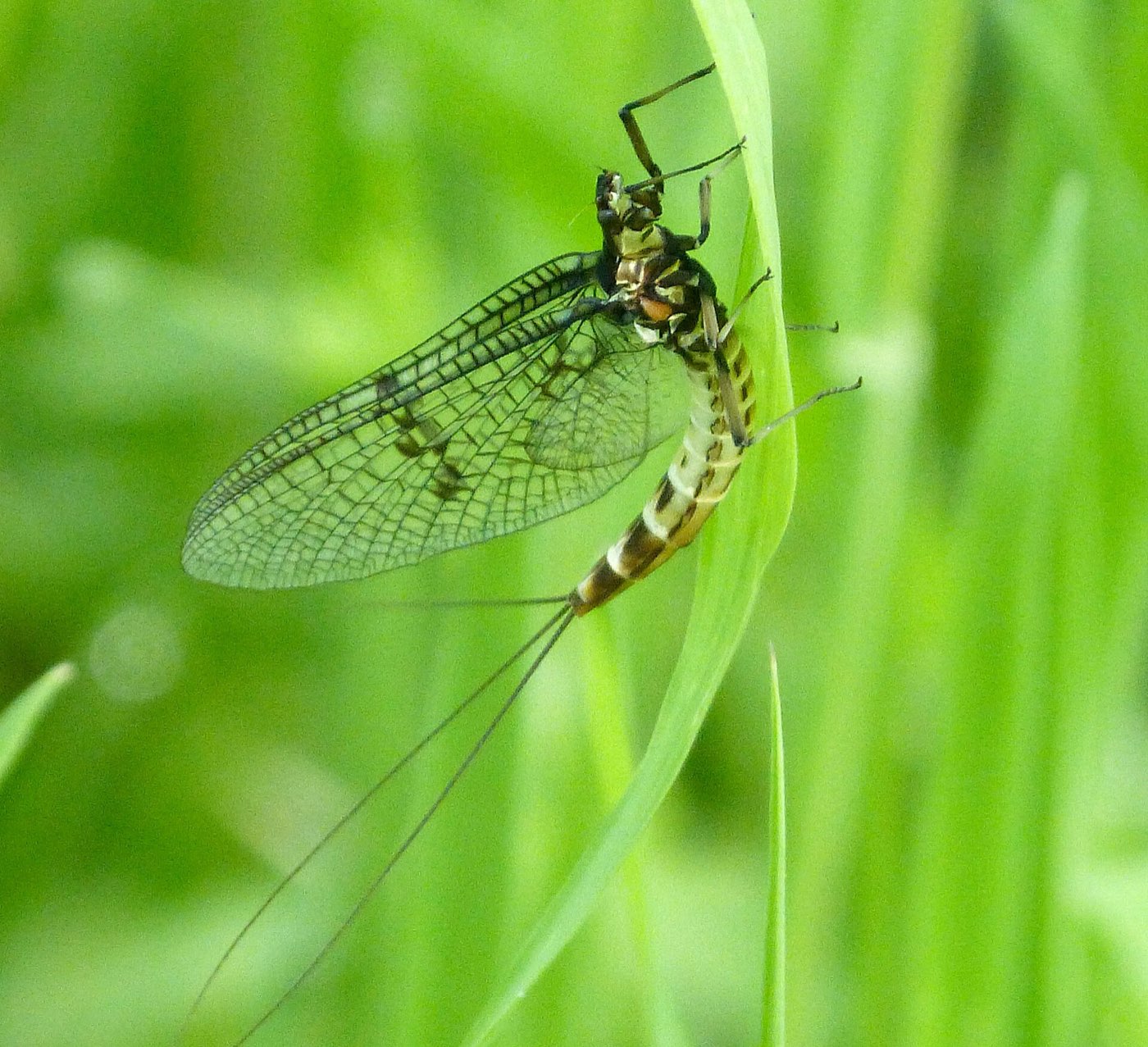
When: Last 10 days of May into first week of June. Peak: Memorial Day weekend ±3 days. Where: Penn's Creek, Centre and Union counties — primarily middle Penn's from Coburn through Weikert. Identification: Massive mayfly. Pale yellow body, pale gray-green wings, size 8-10. Three tails. Coffin Fly (spinner) is white with black markings. Why it matters: The most famous hatch in Eastern fly fishing. Brings out giant browns that haven't fed on the surface since the previous year's hatch. A single week can produce more 18+ inch fish than entire seasons of nymphing. Best patterns:
- Green Drake comparadun (size 10) — primary dun
- Coffin Fly parachute — spinner fall
- Green Drake nymph (large brown nymph) — pre-hatch days
Fishing the hatch: Plan to fish 6 pm to dark. The hatch progresses upstream — if you hit it on the upper section the first night, the lower section will be hatching 24-48 hours later. Crowds are real; the upper sections see fewer anglers and often more fish.
2. Sulphurs (Limestone-wide)
When: Mid-May through end of June. Where: Penn's Creek, Spring Creek, Yellow Breeches, Little Lehigh, Tulpehocken — every PA limestoner. Identification: Pale yellow body, yellowish-tan wings, size 14-18. Three tails. Why it matters: Six weeks of consistent evening dry fly. Wild browns key on Sulphurs more reliably than on any other hatch on limestone water. Best patterns:
- Sulphur parachute (size 16-18) — primary dun
- Rusty spinner (size 16-18) — last 30 minutes of light
- Sulphur emerger / soft-hackle pheasant tail (size 16) — 30 min before duns surface
Fishing the hatch: Position above productive runs by 6 pm. Watch the air for spinners before duns appear. Spinner fall is when fish move to the heads of pools and feed in regular intervals.
3. Hendrickson (statewide)
When: Mid-April to early May. Where: All PA trout water; limestone earlier than freestone. Identification: Reddish-brown body, slate gray wings, size 12-14. Why it matters: First major mayfly hatch of the year. Fish that have eaten midges and stones for four months turn aggressive. Best patterns:
- Hendrickson parachute (size 14)
- Red quill spinner (size 12-14)
- Pheasant tail (size 14) — sub-surface emerger
Fishing the hatch: 1-3 pm. Slow tailouts and pool heads. Spinner falls happen the following morning — be on water at 9-10 am if conditions allow.
4. Trico Spinner Fall (Limestone)
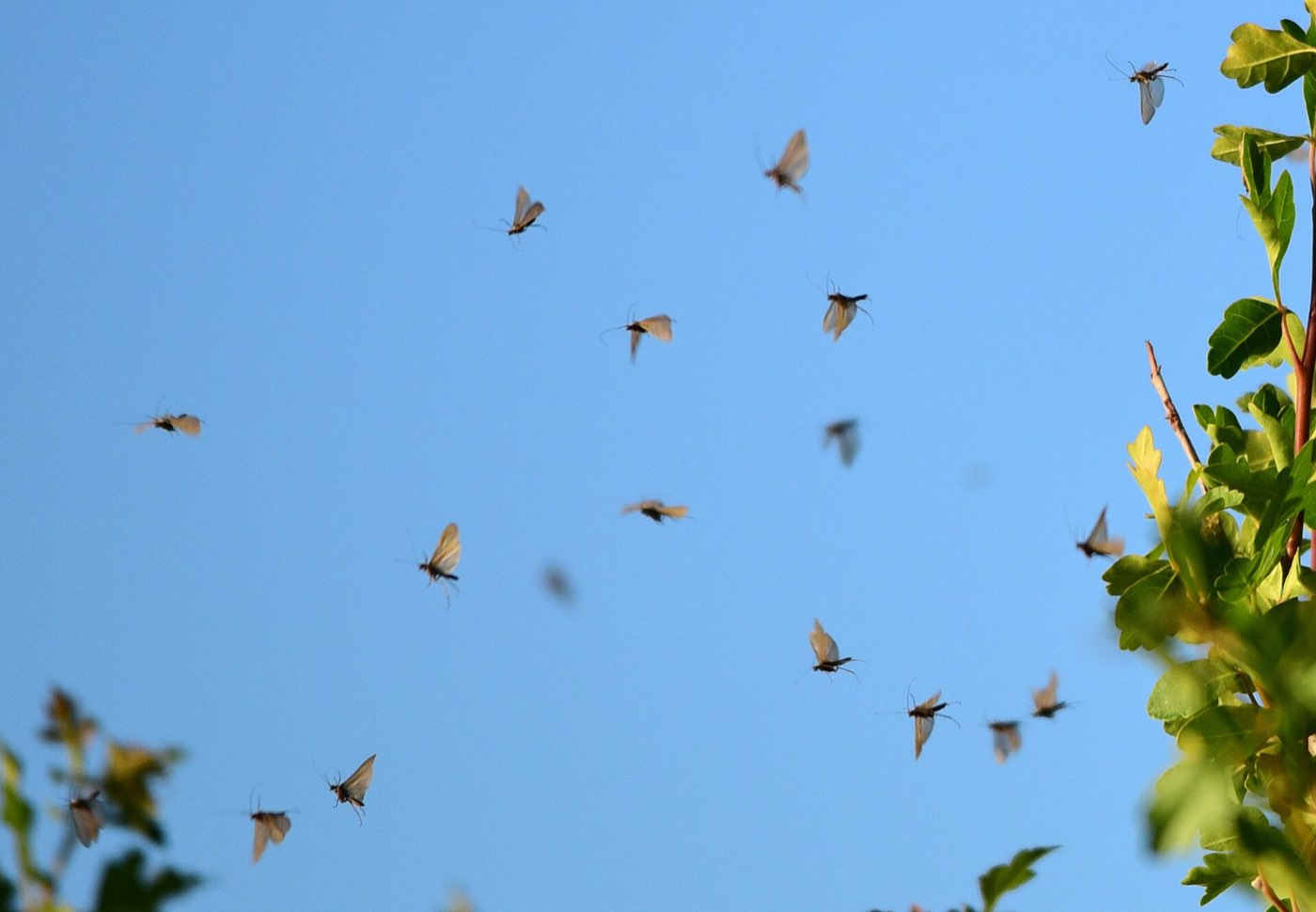
When: Mid-July through mid-September. Where: Penn's Creek, Spring Creek, Letort, Falling Spring, Yellow Breeches, Little Lehigh. Identification: Tiny — size 22-24. Black body on the female, lighter on the male. Distinctive "blizzard" of spinners over the surface. Why it matters: Six-plus weeks of morning fishing in the dog days when nothing else is happening. Trout sip spinners in classic dry-fly form — exactly the fishing limestone anglers chase. Best patterns:
- Trico spinner (size 22-24)
- Trico parachute (size 22) — for fish refusing the spent spinner
- Cluster (size 18-20) — rough water and bigger fish
Fishing the hatch: 7-10 am. 6X-7X tippet minimum. Long leaders (12-14 ft) with longer drag-free drifts than any other PA hatch.
5. Sulphurs (Penn's Creek specifically)
When: Late May through mid-June. Where: Penn's Creek lower section. Identification: Same as the limestone-wide Sulphur but Penn's gets denser hatches than any other PA water. Why it matters: Penn's combines Sulphur density with the year's largest wild browns moving onto the dun. The two-week overlap with the Green Drake creates the most productive 14 days on the East Coast for surface trophy fishing.
Cold-water vs. freestone hatch differences
PA limestone streams (Penn's, Spring, Letort, Little Lehigh, Falling Spring, Yellow Breeches, Tulpehocken) run on stable 50-60°F groundwater year-round. Hatches arrive 1-2 weeks earlier in spring than on freestones at similar latitude. Limestone water holds Tricos that freestones don't. The midge hatch on limestone is heavier and runs through the full winter.
PA freestones (Pine Creek, Kettle Creek, Loyalsock, Brodhead, Lehigh, Pocono trout streams) follow snowmelt and air temperatures. Quill Gordons and Blue Quills appear early on freestones in March-April; limestone water rarely shows them. October Caddis is a freestone hatch — limestone misses it.
The practical implication: in early April, drive to a limestoner. In October, drive to a freestone. The hatch calendar tells you where to fish, not just what to tie on.
Sources and verification
- Pennsylvania Fish & Boat Commission — trout fishing
- FlyFishFinder — Pennsylvania hatch chart 2026
- FlyFishFinder — Penn's Creek hatch chart 2026
- Sky Blue Outfitters — PA hatch chart and stream reports
- Mountain Laurel Guide Service — Penn's Creek
- Big Y Fly Co — Penn's Creek hatch chart
- Cast & Tie observations on PA limestone water in 2026
Where to fish each hatch
- Penn's Creek fly fishing guide — the Green Drake water; central PA's anchor limestone stream
- Yellow Breeches Creek — limestone hatch calendar, Sulphurs and Tricos (guide coming)
- North Branch Potomac fly fishing guide — adjacent watershed; similar limestone hatches
Patterns for Pennsylvania hatches
- Walt's Worm — Walt Young's PA-origin nymph; covers Hendrickson + caddis sub-surface across the season
- Green Weenie — terrestrial peak, Pennsylvania-origin pattern
- Mop Fly — heavy point fly for high-water windows in spring runoff
Last verified: April 2026. Updated quarterly. Next scheduled review: July 2026.